
By the time the first real storm of the season rolls through, it is too late to fix anything on a private road or shared laneway without waiting until spring. Water finds every low spot, every unsealed crack, and every weak edge within the first few heavy rains, and what was a manageable maintenance item in September can turn into a full reconstruction by February.
In this article:
- Why Private Roads and Laneways Take the Brunt of Bay Area Winters
- What Sets a Privately Maintained Road Apart From a City Street
- The Pre-Winter Inspection Every HOA Board Should Run
- Cracks and Joints Are Where Winter Damage Starts
- Drainage and Grading Problems That Get Worse Every Season
- Why the HOA Approval Timeline Matters as Much as the Repair
- Deciding Between Patchwork and Full Resurfacing Before the Rain
- Get Your Private Road or Laneway Evaluated Before the Season Changes
Why Private Roads and Laneways Take the Brunt of Bay Area Winters
Private roads and shared laneways carry the same daily traffic as a public street, but without the same maintenance schedule behind them. Municipal crews inspect and repair public roadways on a set cycle. A private road serving a handful of homes or an HOA community often does not get that same attention until residents start noticing potholes or standing water.
That gap matters most heading into winter. Seasonal rainfall across the Bay Area and Sacramento corridor does not create new problems so much as it exposes and accelerates the ones that were already there. A hairline crack that sat quietly all summer becomes the entry point for water that undermines the base beneath it. A shallow depression that nobody worried about becomes a spot where water sits for days after every storm.
What Sets a Privately Maintained Road Apart From a City Street
Private roads and laneways often have different structural histories than public streets, which is part of why they age differently. Many were built years ago under different standards, patched piecemeal over time by different contractors, or extended informally as a neighborhood grew. That inconsistent history means the base underneath can vary significantly from one section of the same road to the next.
This is also why a private road or laneway cannot always be treated the same way as a driveway or a commercial lot. Traffic patterns, drainage responsibility, and the sheer length of some shared laneways create maintenance needs that are closer to a small scale roadway project than a simple resurfacing job.
The Pre-Winter Inspection Every HOA Board Should Run
Most of the damage that shows up mid winter was visible months earlier to anyone who knew what to look for. A basic pre-winter walk of the road or laneway should cover:
- Cracking along the surface, especially near the edges where the pavement meets soil or landscaping
- Low spots or areas where water was seen pooling after the last rain
- Deterioration near catch basins, drainage grates, or culverts
- Soft or spongy sections that may indicate base failure beneath the surface
- Areas where tree roots have started to lift or distort the pavement
Documenting these issues with photos and rough locations makes it much easier for a paving contractor to scope the work accurately, and it gives an HOA board something concrete to bring to residents if the repair needs a vote.
Cracks and Joints Are Where Winter Damage Starts
Nearly every serious pavement failure on a private road traces back to a crack that was left unaddressed. Once water gets past the surface, it works its way into the base material below, where it weakens the compacted layer that gives the pavement its structural support. Freeze conditions are rare in this part of California, but repeated wetting and drying still stresses the pavement around a crack, widening it a little more with each storm cycle.
Sealing cracks before the rain starts is one of the most cost effective steps a road committee or homeowner can take. It does not fix underlying base problems, but it closes the door that lets water reach them in the first place.
Drainage and Grading Problems That Get Worse Every Season
Drainage issues are the one category of problem that reliably compounds if ignored. A private road that lacks proper crown or slope will hold water in the same spots every time it rains, and each cycle of saturation weakens the base a little further beneath that section. Culverts and catch basins that were not cleared before the season starts can back up during the first heavy storm, sending water across the road surface instead of away from it.
What tends to surprise property owners is that the most damaged looking section is not always the most urgent one to fix. A cracked area on a slope where water sheds away quickly is often less structurally at risk than a smoother looking low point where water sits for hours after every storm. As the team at Huff General Engineering has seen across HOA communities throughout Walnut Creek, Lafayette, and the surrounding corridor, drainage correction in the right spot often does more to protect the road than resurfacing the section that looks the worst.
Why the HOA Approval Timeline Matters as Much as the Repair
For HOA managed roads specifically, the biggest obstacle to getting work done before winter is rarely the repair itself. It is the approval process. Getting bids, presenting them to a board, scheduling a vote, and notifying residents all take time, and many communities do not start that process until a problem is already visible and residents are asking questions.
Requesting an evaluation early does not commit a community to anything. It gives the board actual numbers and a realistic scope to work with while there is still enough of the season left to act on it. Waiting for a formal vote before even requesting an estimate is one of the most common reasons HOA paving projects slip from fall into the following spring, by which point the road has usually taken on more damage than it had when the conversation started.
Deciding Between Patchwork and Full Resurfacing Before the Rain
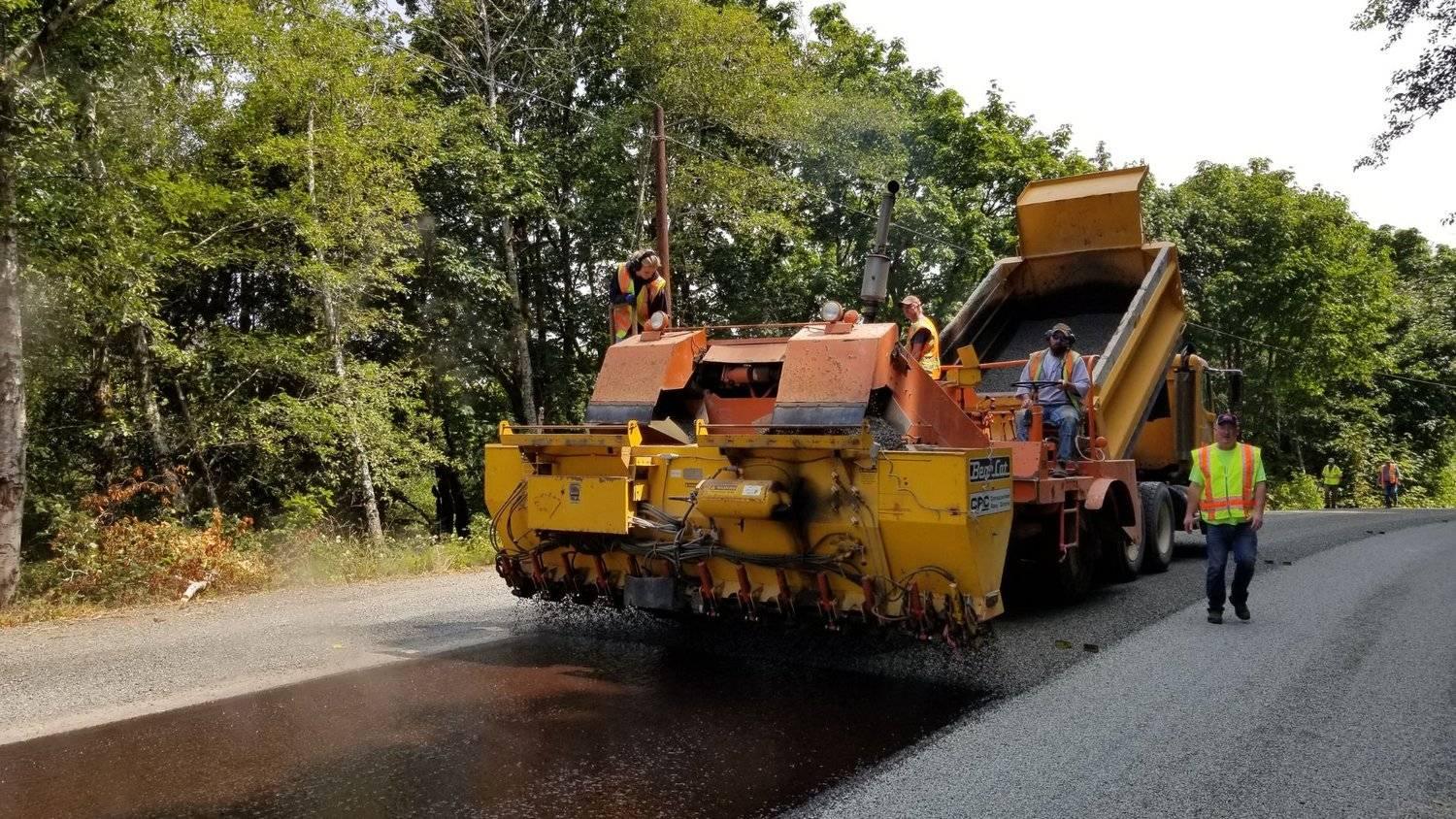
Not every private road or laneway heading into winter needs a full resurfacing project. In many cases, targeted patchwork combined with crack sealing and drainage correction is enough to get the pavement through the season safely, with a larger project planned for a future paving cycle. The deciding factor is usually whether the damage is limited to the surface or whether the base beneath it has already been compromised.
A few signs point toward needing more than a patch:
- Cracking has spread across a large connected section rather than isolated spots
- The road has multiple areas of standing water after rainfall
- Previous patch repairs in the same locations have already failed once
- Soft or shifting pavement suggests the base itself has lost integrity
A proper evaluation, not a guess based on how bad the surface looks, is what determines which category a given road falls into.