Every property owner who waits until the first heavy rain of the season to think about sealcoating has already missed the window. By the time water is pooling on a driveway or parking lot, the pavement has spent an entire dry summer absorbing UV exposure with no protective layer, and the best opportunity to seal it before winter moisture arrives has already closed.
In this article:
- Why Fall Is a Strategic Window for Sealcoating in Northern California
- What Sealcoating Actually Protects Against
- Sealcoating Is Prevention, Not Repair
- What Needs to Happen Before the Sealcoating Crew Arrives
- Weather Conditions That Affect How Sealcoating Cures
- Signs Your Pavement Is Overdue for Protection
- Residential and Commercial Timing Are Not the Same
- Schedule Sealcoating Before the Rainy Season Arrives
Why Fall Is a Strategic Window for Sealcoating in Northern California
Sealcoating is a race against two things: heat and rain. During peak summer, pavement surfaces across the Bay Area and Sacramento corridor spend months absorbing direct sun, and the material can be too hot for a sealcoat to cure evenly. Once the rainy season sets in, there is no reliable dry stretch left to apply and cure a sealcoat properly at all.
Early fall sits in the gap between those two problems. Daytime temperatures have usually eased off their summer peak, the ground and pavement surface have had time to cool from months of direct heat, and the region is typically still weeks away from sustained rainfall. That combination gives a sealcoat the conditions it needs to cure fully before the pavement faces its next real test: a wet winter.
Waiting until late fall or early winter to schedule sealcoating often means missing that window entirely, and pushing the project into spring means the pavement spends an entire rainy season unprotected.
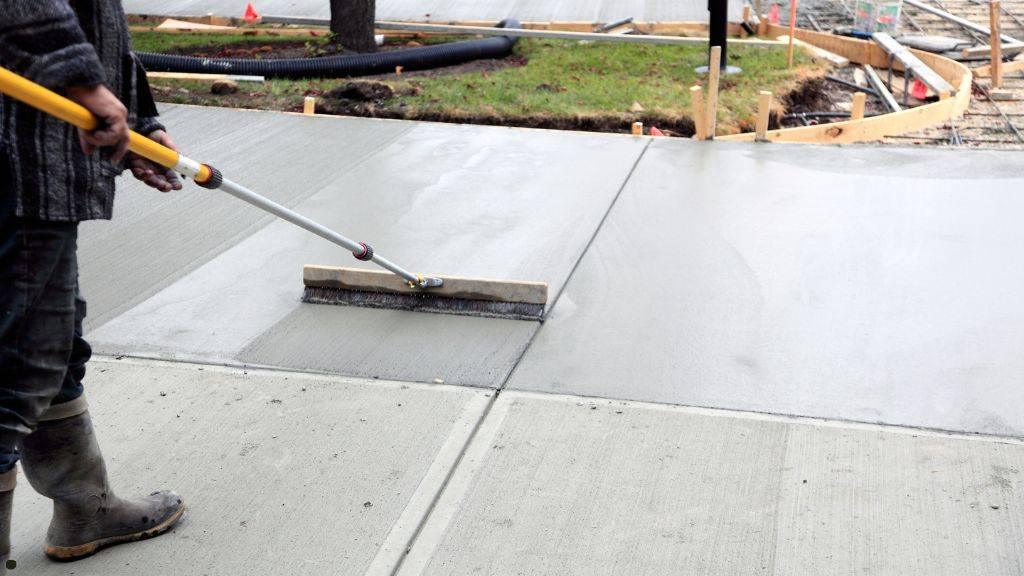
What Sealcoating Actually Protects Against
Asphalt is a petroleum based product, and its binder is what holds the aggregate together and keeps the surface flexible. Sun exposure gradually breaks that binder down through oxidation, which is why older asphalt fades from a deep black to a chalky gray. Once oxidation sets in, the surface becomes more brittle and more prone to cracking under normal traffic and temperature changes.
Sealcoating adds a protective layer over the asphalt binder, slowing that oxidation process and reducing how much water and UV exposure the surface absorbs directly. It will not undo damage that has already happened, but it meaningfully slows how fast a sound pavement surface ages.
The three main threats sealcoating is designed to reduce are:
- UV exposure that dries out and oxidizes the asphalt binder over time
- Water penetration that works its way into small surface pores and expands existing weaknesses
- Oil and fluid drips from vehicles, which can soften unprotected asphalt over time
Sealcoating Is Prevention, Not Repair
Here is where a lot of property owners get the timing wrong, and it is worth saying plainly: sealcoating a lot or driveway with existing cracks, potholes, or areas of surface failure does not fix those problems, and it can actually make them harder to spot before they get worse. A sealcoat is a thin protective layer. It was never designed to bridge a structural crack or restore a section of pavement that has already broken down.
The counterintuitive part is that many property owners assume sealcoating is a general refresh they can apply to any tired looking lot, when it actually works best as the last step in a maintenance sequence, not the first. Repairs and crack sealing need to happen first. Sealcoating protects sound asphalt. It does not rescue damaged asphalt.
What Needs to Happen Before the Sealcoating Crew Arrives
A sealcoat is only as good as the surface underneath it, which means preparation matters as much as the application itself. Before sealcoating begins, a few things typically need to happen:
- Existing cracks should be filled and allowed to cure
- Oil stains and heavy debris need to be cleaned from the surface so the sealcoat can bond properly
- Vegetation growing through pavement edges or joints should be cleared
- The surface should be fully dry, since moisture trapped under a sealcoat interferes with proper curing
Skipping any of these steps does not save time. It just means the sealcoat fails faster and the surface needs to be redone sooner than expected.
Weather Conditions That Affect How Sealcoating Cures
Sealcoating needs a window of dry, moderate weather to cure properly, both on the surface and overnight. If rain moves in before the material has fully set, it can wash out sections of the coating or leave it looking blotchy and uneven. If nighttime temperatures drop too low too soon, curing slows down and the surface stays vulnerable to tracking and damage longer than it should.
This is part of why early fall works better than either extreme. The days are typically still warm enough to support a full cure, and the region has not yet shifted into the pattern of overnight cold and consistent rain that defines late fall and winter in this part of California.
Signs Your Pavement Is Overdue for Protection
Some pavement shows its age gradually, but there are a few signals that tend to show up before things get worse:
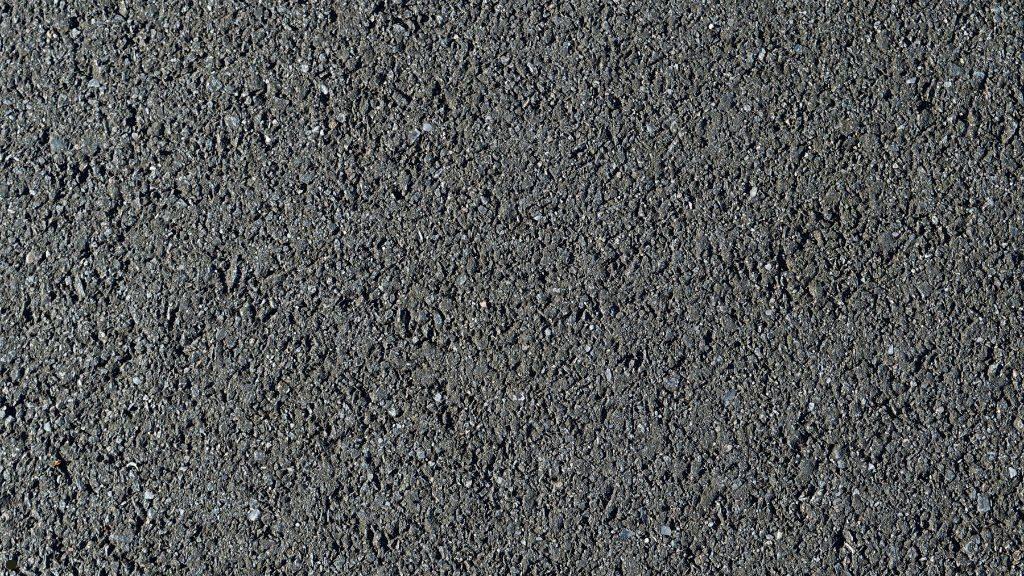
- The surface has faded from black to a dull gray
- Small hairline cracks are starting to appear across sections of the lot or driveway
- Water no longer beads on the surface the way it did when the pavement was newer
- It has been several paving seasons since the last sealcoat was applied
None of these signs mean the pavement needs replacement. They mean it is at the stage where a sealcoat still has something to protect, which is exactly the point where sealcoating delivers the most value.
Residential and Commercial Timing Are Not the Same
A single family driveway and a commercial parking lot face the same seasonal window, but the logistics around scheduling look different. A driveway sealcoat generally needs to keep vehicles off the surface for a short window, which is a minor inconvenience for most homeowners. A commercial lot has to account for tenant access, customer traffic, and business hours, which usually means sealcoating gets scheduled in sections or during off hours to keep the property functional while the work is done.
As the team at Huff General Engineering has seen across residential and commercial properties throughout Walnut Creek, Pleasant Hill, Lafayette, and Concord, the properties that stay ahead of this seasonal window consistently need fewer major repairs down the line than the ones that treat sealcoating as an afterthought.