
Home » Roadways / Laneways Paving
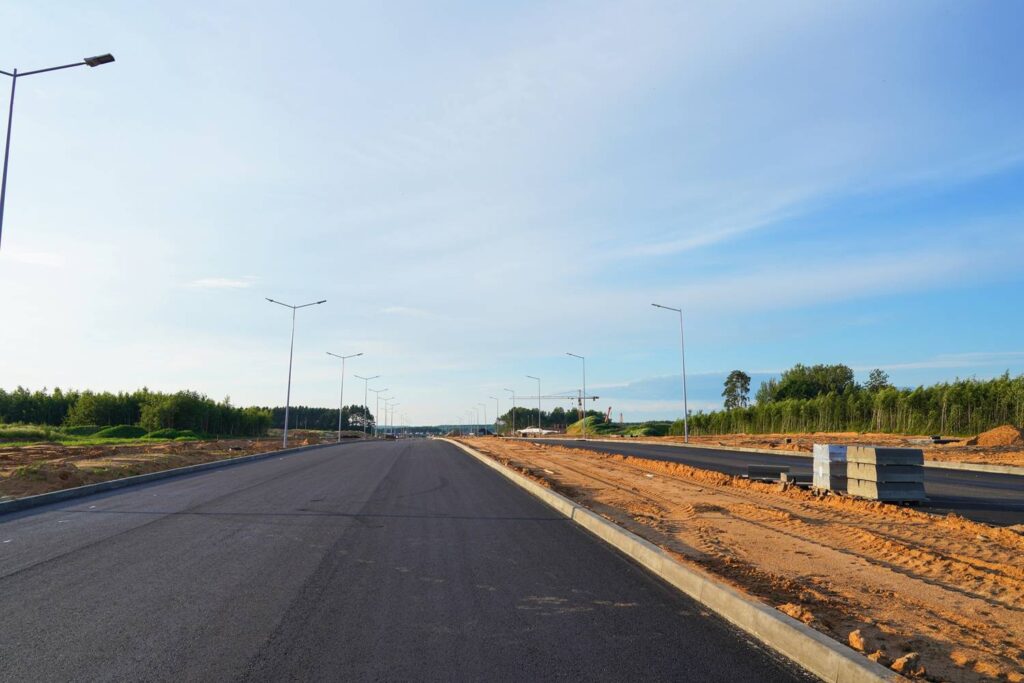
Roadways and laneways require a different level of preparation than standard paving. A private road serving several homes, a gated estate entrance or a shared access lane carries residents, guests, delivery trucks, garbage trucks and emergency vehicles every day. It is often on a slope, and there is no city crew responsible for fixing it.
Huff General Engineering provides private road paving for HOAs, homeowners on shared roads, estate owners and custom home builders from the Bay Area out to the Sacramento corridor. We build new private roads, access lanes and shared drive routes, and we resurface or fully reconstruct existing ones that have started to break down.
These are some of the most demanding residential surfaces we pave, and they suit our background. Owner Michael Huffaker has run grinders and full-size pavers on road crews, so long runs, steep grades and heavy truck traffic are the conditions he learned the trade in.
Request a Private Road Estimate
A driveway serves one household. A private road serves a whole group of them, and it has to be built for the heaviest vehicle that uses it rather than the average car. Fire engines, moving trucks and construction traffic for new homes all put loads on the pavement that a residential driveway section is not designed to carry.
Water is the other challenge. Many private roads in the hills east of the Bay climb or wind across slopes, so runoff picks up speed along the road surface, cuts away at the shoulders and soaks into the base wherever it pools. Proper grading and base work are what prevent those water issues and the surface failure that follows. Without a solid foundation, these roads break down quickly.
There is also the question of who pays. In California, Civil Code Section 845 requires the owners who share a private road easement to keep it in repair. They split the cost under their road maintenance agreement, or, if there is no agreement, in proportion to each owner’s use. That is why private road projects usually go through an HOA board or a group of neighbors, and why a clear, detailed scope matters before any work is approved.
Spot failures can often be repaired. But when these problems appear along much of the road, patching only spreads the cost over more years without solving the cause.
Private road projects take more lead time than a single driveway, because they usually need approval from an HOA board or agreement among several owners before work can be scheduled. Starting the conversation in winter or early spring leaves time to review the scope, approve the budget and book the work for the dry months, when base work and paving can be done properly.
Winter is also when weaknesses show. Heavy rain finds every low spot and open crack on a sloped road, so a walk along the road after a storm is one of the best ways to see where the drainage is failing. After paving, a sealcoat applied on a set cycle protects the investment and is often written into road maintenance plans. Our asphalt sealcoating page explains how it works.
We pave private roads, laneways and HOA streets across Lafayette, Orinda, Moraga, Danville, Walnut Creek, Martinez, Pleasant Hill and San Ramon, along with hillside and rural properties anywhere in our Bay Area and Sacramento corridor service area.
The owners who share the road. Under Civil Code Section 845, they are required to keep the easement in repair and share the cost according to their road maintenance agreement, or in proportion to use if no agreement exists. We are not attorneys, so for questions about your specific agreement, talk to your HOA or legal advisor.
Yes. A road can be divided into sections and paved over more than one season, starting with the areas that are failing worst. Phasing should still follow a single plan for grading and drainage so each section ties into the next.
Yes. It carries more traffic and heavier vehicles, often runs longer and steeper, and has to handle runoff along its whole length. That means it needs a stronger base, better drainage and more careful compaction than a typical driveway.
In most cases, yes. We sequence the work and set time windows with the board or owners in advance, so homes stay accessible and emergency access is never cut off.
The cost of a private road comes down to:
Boards and owners receive a detailed written estimate after we review the road.
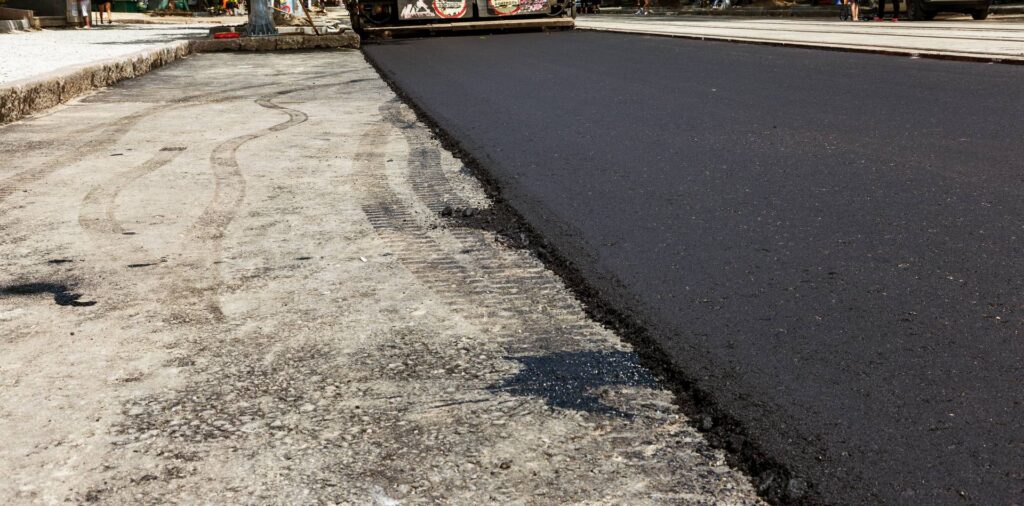
Describe your road and one of our estimators will get back to you shortly. HOA boards and groups of owners are welcome to call 925-360-0984, Monday through Sunday, 7:00 AM to 8:00 PM, to set up a site review.
Huff General Engineering, Walnut Creek, CA. Serving the Bay Area and the Sacramento corridor. 925-360-0984
Submit the form below and one of our estimators will get back to you shortly.
*We respect your privacy and will not share your information.